Regular Inspections and Preventive Maintenance
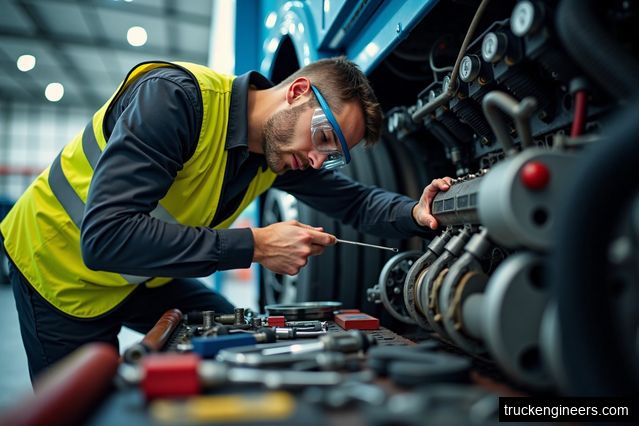
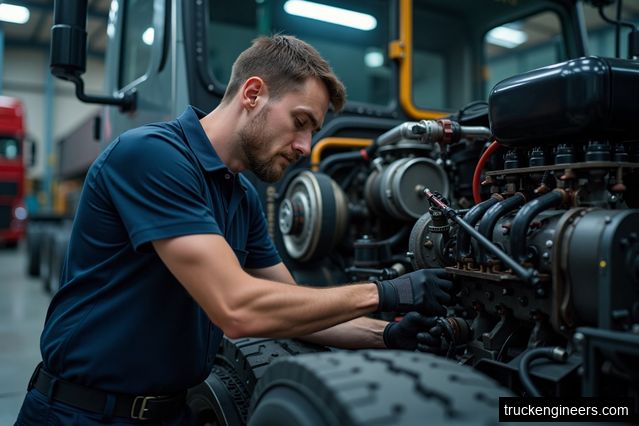
One of the most important steps in improving maintenance practices for trucks is conducting regular inspections and implementing preventive maintenance measures. Regular inspections help identify potential issues before they become major problems, reducing the risk of unexpected breakdowns and costly repairs. Create a checklist of key components to inspect, including the engine, transmission, brakes, tires, and electrical systems. By adhering to a preventive maintenance schedule, you can proactively address any wear and tear, replace parts as needed, and ensure optimal performance.
Invest in Training and Education
To improve maintenance practices, it is crucial to invest in ongoing training and education for your truck engineers and technicians. Technology and industry standards are constantly evolving, and staying up-to-date with the latest advancements is essential. Provide your team with opportunities to attend workshops, seminars, and certification programs. By enhancing their knowledge and skills, they can effectively diagnose problems, implement efficient maintenance strategies, and utilize advanced tools and equipment.
Utilize Technology and Data Analytics
Embracing technology can significantly improve maintenance practices for trucks. Integrated fleet management systems can track important data, such as fuel consumption, mileage, and engine performance. By analyzing this data, you can identify patterns, detect potential issues, and make data-driven decisions. Implementing telematics systems can provide real-time monitoring of your fleet, allowing you to track maintenance schedules, receive alerts for potential problems, and optimize routes for efficiency. Utilizing technology and data analytics enables you to streamline maintenance processes and reduce downtime.
Establish a Comprehensive Record-Keeping System
Maintaining accurate and comprehensive records is essential for effective truck maintenance. Implement a digital record-keeping system that includes details of inspections, repairs, part replacements, and maintenance schedules. This system ensures easy access to historical data, allowing you to track maintenance trends, identify recurring issues, and make informed decisions. Additionally, it aids in complying with regulatory requirements and can be valuable during audits or warranty claims.
Promote a Culture of Safety and Accountability
Creating a culture of safety and accountability is vital for improving maintenance practices. Emphasize the importance of following maintenance protocols, safety guidelines, and industry regulations. Encourage open communication among team members to report any potential issues promptly. Implement regular safety training programs and reward employees who consistently adhere to maintenance and safety protocols. By promoting a culture of safety and accountability, you can reduce accidents, minimize downtime, and optimize the overall performance of your fleet.
Collaborate with OEMs and Industry Experts
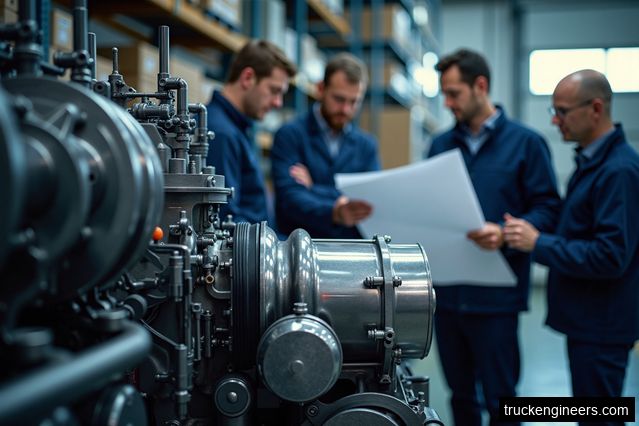
Collaborating with original equipment manufacturers (OEMs) and industry experts can provide valuable insights and support for your maintenance practices. OEMs can offer specific guidance on maintaining their equipment, including recommended maintenance schedules and procedures. Industry experts can provide training, conduct audits, and offer advice on best practices. By leveraging their expertise, you can enhance your maintenance practices and ensure that your trucks are operating at their optimal level.